peter (admin) -

Introduction to etcd and its Role in Kubernetes
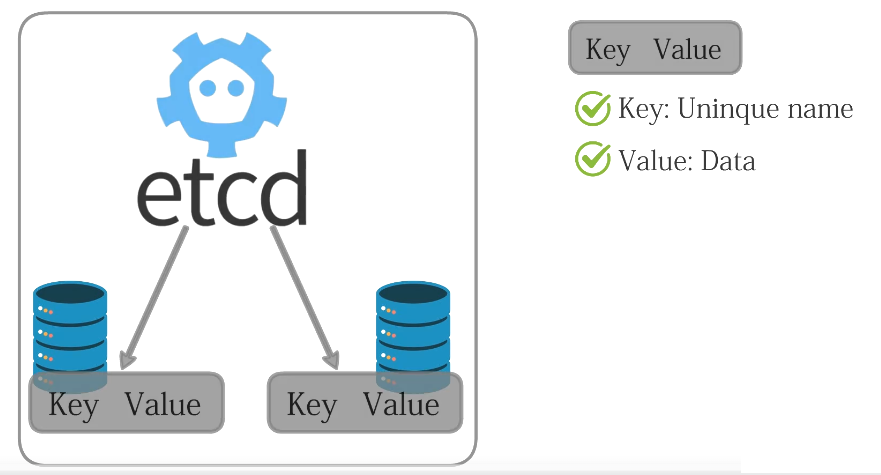
Here we learn about etcd and its role inside Kubernetes. etcd is a distributed key-value store, which means it is a database that saves information in pairs, where a key is a unique name and the value is the data linked to that name.
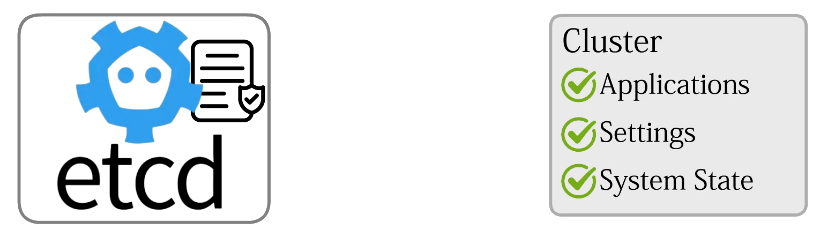
Kubernetes uses etcd to store all cluster data. Anything that exists in the cluster—such as applications, settings, or system data—is stored inside etcd. Because of this, etcd is called the single source of truth in Kubernetes. This means Kubernetes fully trusts etcd, and whatever data is written there is treated as the correct and final state. If something is not stored in etcd, Kubernetes does not recognize it as part of the cluster.
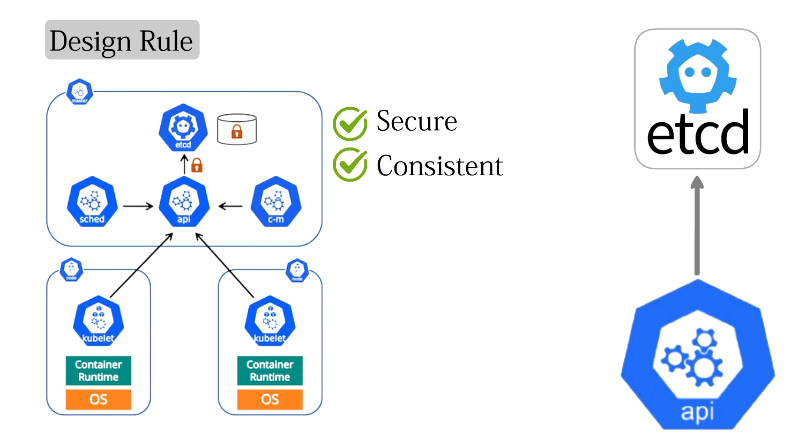
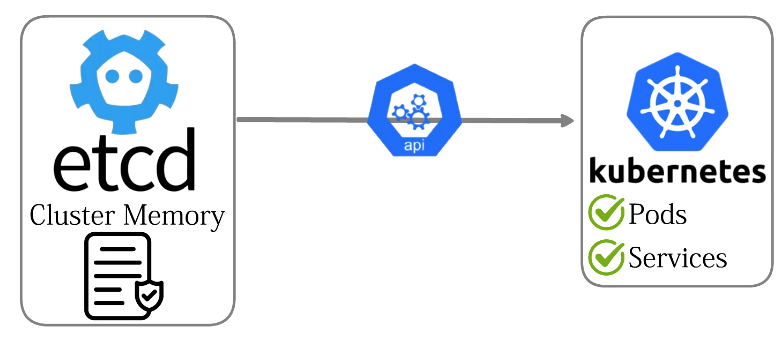
An important design rule is that only the API server is allowed to communicate directly with etcd. No other Kubernetes components can read or write data directly to it. This design keeps the cluster secure and consistent because all changes go through one controlled entry point.
Distributed Systems and Consensus
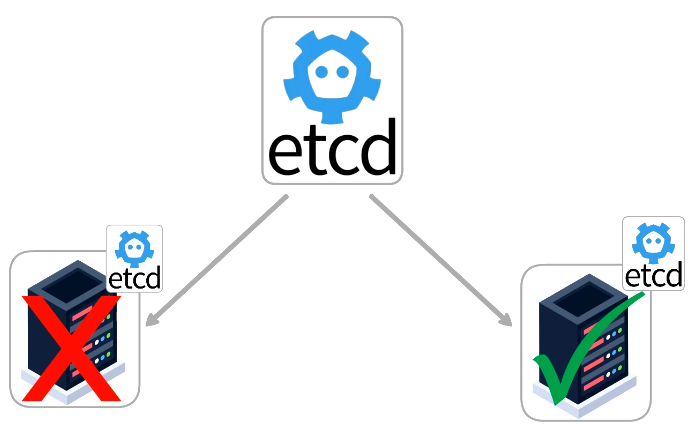 etcd itself is built as a distributed system, which means it can run on multiple servers at the same time. These servers work together so that data remains available even if one server fails. Each etcd server is called a member, and a group of members working together is called an etcd cluster. In production environments, Kubernetes usually runs etcd as a cluster to avoid data loss.
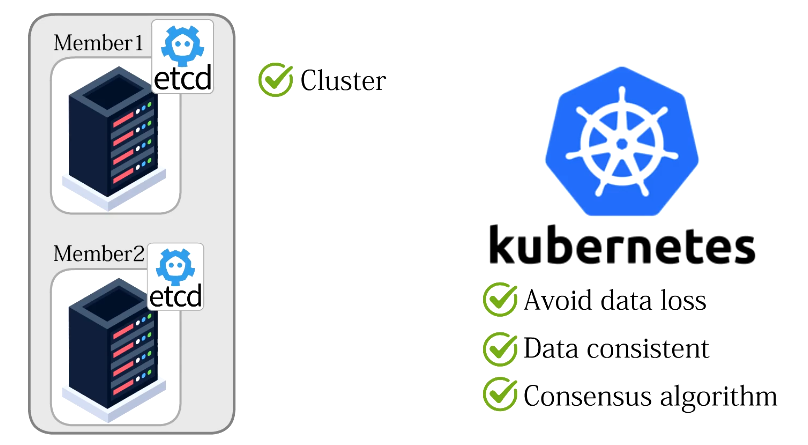
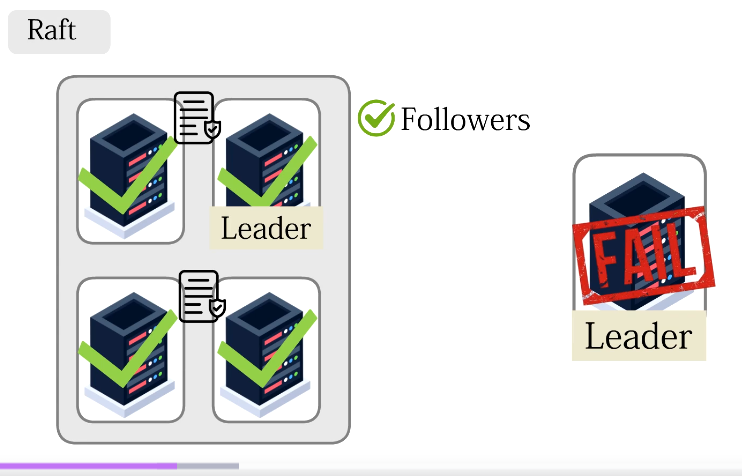 To keep data consistent across members, etcd uses a consensus algorithm called RAFT. Consensus means all members must agree before data is changed. RAFT ensures that every write operation is approved by the majority of members before it is saved.
- The Leader: Inside RAFT, one member acts as the leader. All write requests go through this leader.
- The Followers: The remaining members act as followers and copy data from the leader.
- Failover: If the leader fails, another member is automatically elected, which keeps the system running without manual intervention.
Data Structure and Layout
etcd stores data in a structure called a key space. You can think of the key space like directories and sub-directories in Linux.
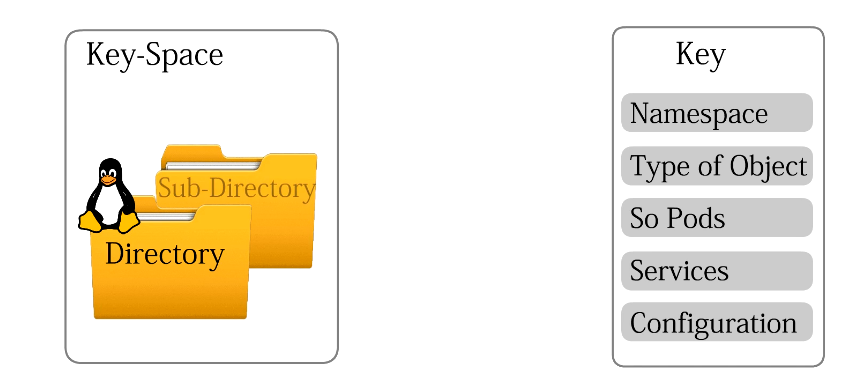
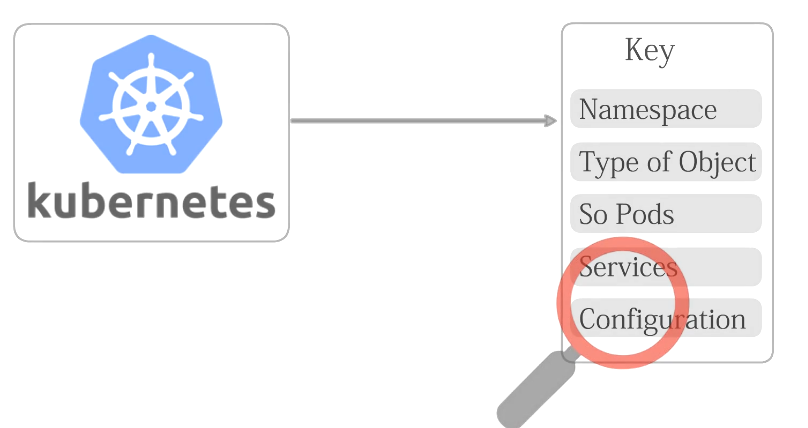
Each key looks like a path, and Kubernetes uses these paths to store objects in an organized way. These paths include information such as the namespace and the type of object. Therefore, pods, services, and configuration data are stored under separate and clearly defined paths. Because of this structured layout, Kubernetes can quickly find the required data, ensuring the cluster remains consistent and reliable.
Core Features and Data Operations
Basic Operations
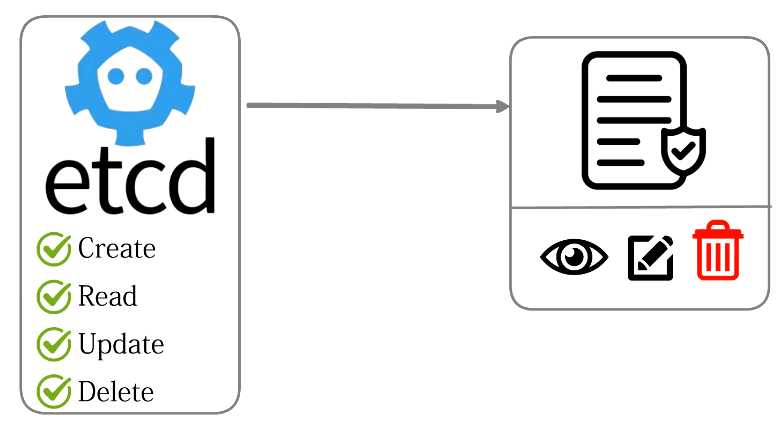 etcd supports basic data operations such as create, read, update, and delete (CRUD). Every change made to a Kubernetes object is translated into one of these operations in etcd:
- Creating a pod causes Kubernetes to store its information in etcd.
- Checking the pod status means reading that information.
- Updating or removing the pod causes etcd to update or delete the stored data.
Watch Mechanism
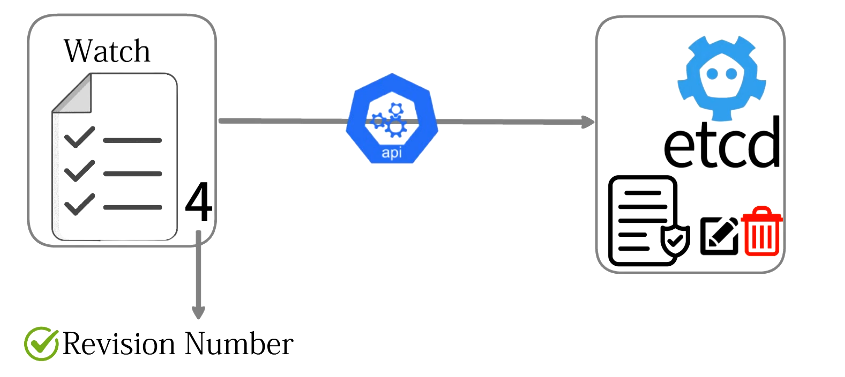
Another powerful feature of etcd is watch, which allows components to receive updates whenever data changes. Instead of checking again and again, etcd notifies the API server about changes, and the API server informs other components, allowing Kubernetes to react immediately.
Revision Numbers
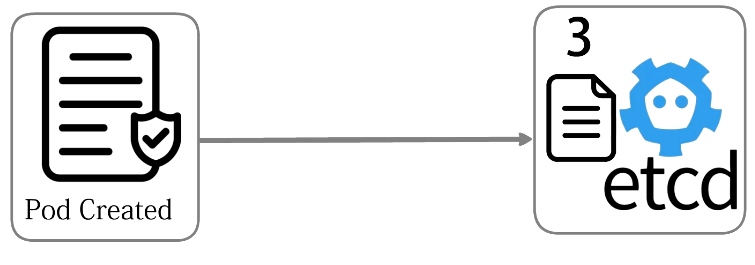
etcd keeps a revision number for every change made to the data. Each update increases this number, which helps Kubernetes track changes in the correct order, just like version control. For example, when a pod is created, etcd saves it with a revision number. When it is updated later, the number increases. Kubernetes uses these numbers to understand which change happened first and which came later.
Leases
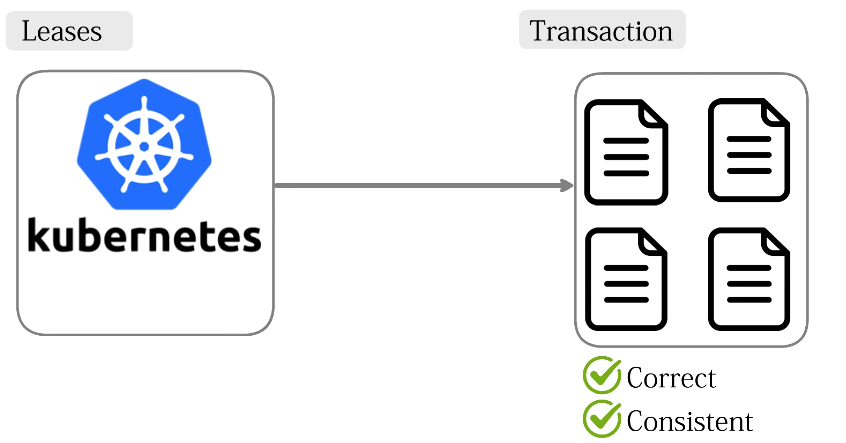
Another important concept is leases, which work like timers attached to the stored data. As long as a timer is active, the data remains valid. If the timer expires, the data is removed automatically. Kubernetes uses this mechanism to detect failures, such as when a node stops responding.
Transactions
etcd supports transactions, which means multiple changes can be grouped into one single action. Either all changes are applied together, or none of them are applied. If something goes wrong, everything is canceled. This prevents half-done updates and keeps the cluster data correct and consistent.
Security, Performance, and Recovery
Security is a core part of etcd's design. etcd encrypts data while it moves between components and allows only trusted components to connect. Kubernetes controls access using certificates so that only the API server can write important cluster data.
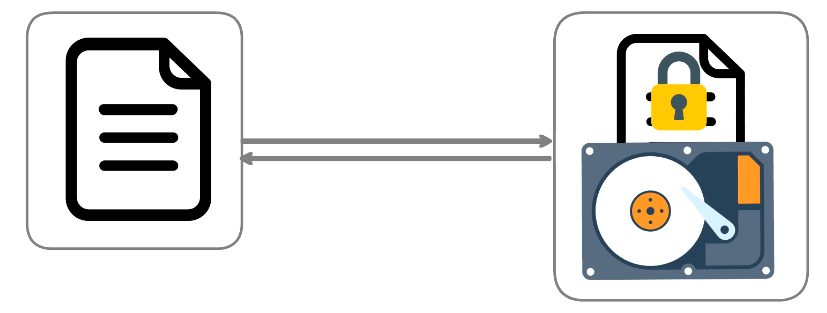
To protect data from crashes, etcd writes every change to disk using a special Write-Ahead Log (WAL) before applying it. If a server crashes, etcd can recover data using this log. For better performance, etcd holds data in memory so it does not need to read from disk again and again, which reduces disk latency and improves response time.
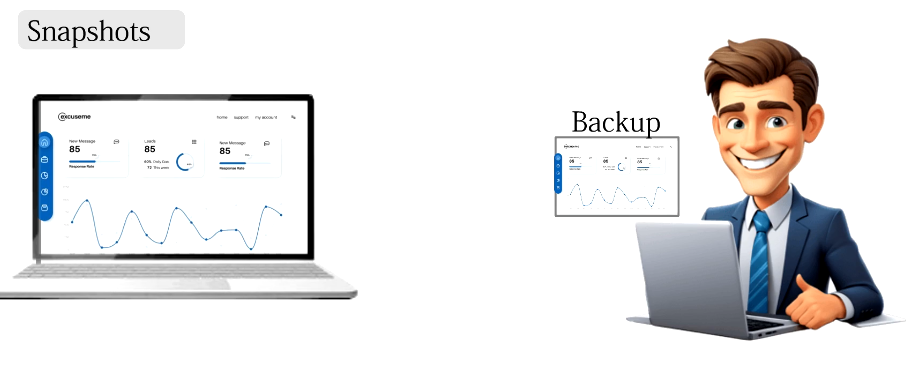
etcd also supports snapshots, which are full copies of the data taken at a specific time. etcd uses these snapshots for backup and disaster recovery. If etcd data is lost and no snapshots exist, the cluster cannot recover. That is why taking etcd backups is one of the most important operational tasks in kubernetes
Summary
etcd itself does not understand Kubernetes concepts like pods or services; it only stores structured data in a readable way. All Kubernetes logic exists outside of etcd.
In simple words, etcd acts like the memory of the cluster. The API server writes what Kubernetes wants to happen, and etcd remembers it permanently. Without etcd, Kubernetes cannot track state, recover from failures, or coordinate its components, making it one of the most critical pieces of Kubernetes architecture.
.
Comments (0)
There are no comments yet. Be the first to comment.
Log in or register to leave a comment. all comments are subject to admin approval